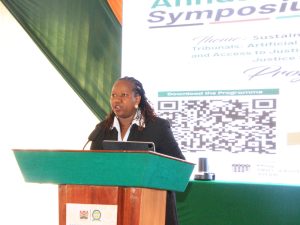



Embrace technology without losing sight of the human aspect of Justice
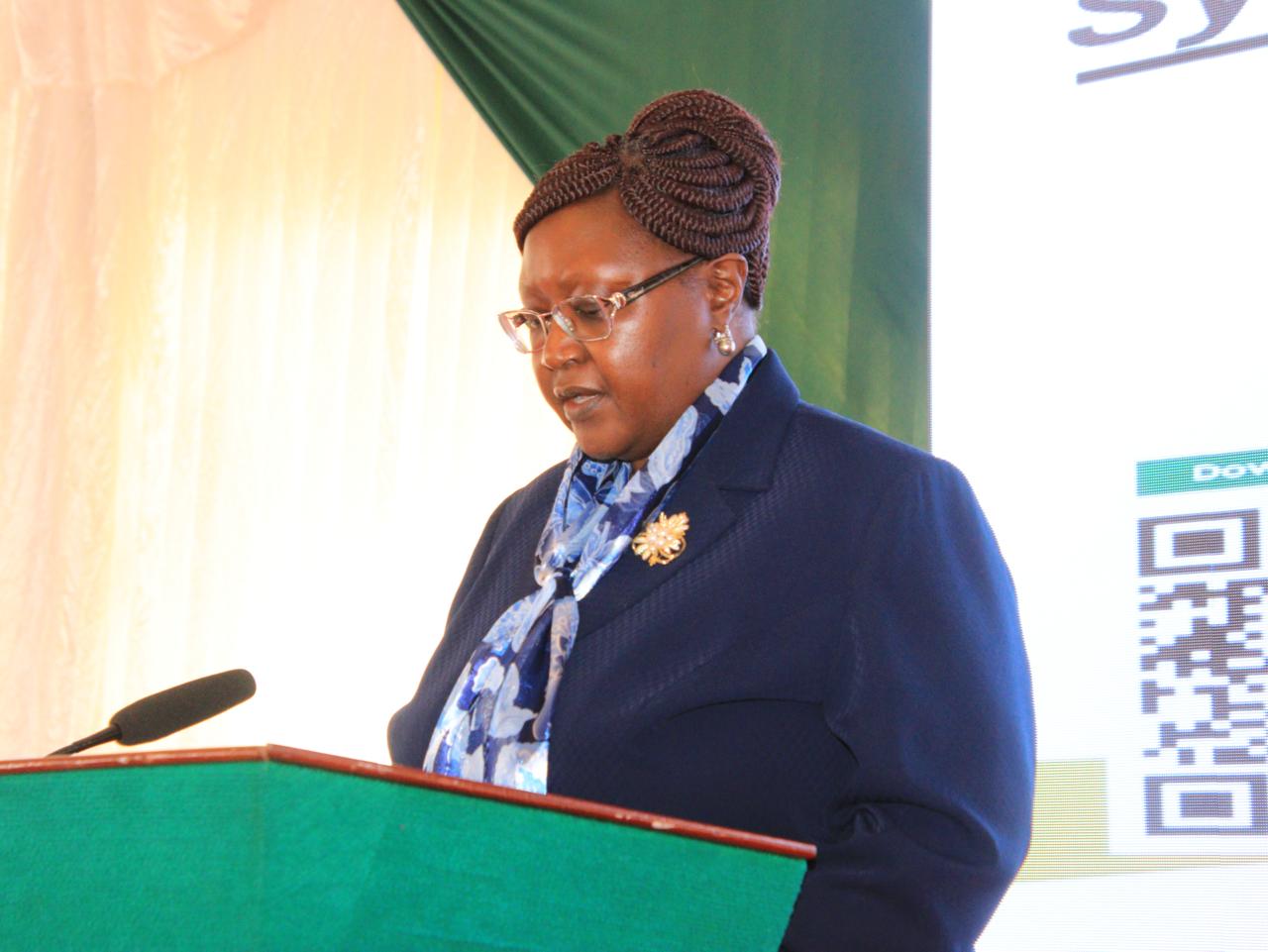
Justice Maureen Odero has urged chairpersons and members of tribunals to embrace technology without losing sight of the human aspect of justice, emphasizing that justice is not merely a digital process but a moral and constitutional duty grounded in fairness, dignity, integrity and public confidence.
Speaking during the official opening of the Tribunal Symposium themed “Sustaining Transformation in Tribunals: Artificial Intelligence (AI), Innovation and Access to Justice through Alternative Justice Systems (AJS)”, Justice Odero said technology should remain an enabler of justice rather than a substitute for judicial wisdom, human empathy and accountability.
While acknowledging that Artificial Intelligence and innovation present immense opportunities within the justice sector, Justice Odero noted that, if properly harnessed, AI tools can improve case management, enhance legal research, reduce delays, support data-driven decision-making and ultimately expand access to justice for all Kenyans.
Justice Odero also recognized Alternative Justice Systems (AJS) as a powerful avenue for enhancing access to justice. She noted that the Constitution acknowledges and encourages mechanisms that promote reconciliation, mediation, restorative justice and community-based dispute resolution.
“AJS continues to provide culturally responsive, affordable and expeditious solutions, especially for vulnerable and marginalized communities,” she said.
The judge added that the synergy between innovation and AJS presents a unique opportunity for tribunals. By integrating modern technology with traditional and community-oriented justice pathways, she said, institutions can create systems that are not only efficient but also inclusive and accessible to ordinary Wananchi.
Justice Odero further noted that judges, judicial officers and tribunal members carry the collective responsibility of ensuring that transformation within institutions remains sustainable. She emphasized that this requires continuous capacity building, ethical safeguards in the use of AI, investment in digital infrastructure and an unwavering commitment to constitutional values and the rule of law.
The judge welcomed the establishment of tribunal services in Nyeri, saying the move would bring justice closer to the people and enhance access to justice by reducing the need for residents to travel to Nairobi to have their matters addressed. She expressed optimism that the shared services model would be expanded to other counties, making tribunals more accessible and increasing public awareness about where disputes can be resolved.
Registrar of Tribunals, Hon. Ann Asugah, encouraged participants to actively engage in the discussions as part of ongoing efforts to strengthen institutional coherence and improve service delivery within tribunals.
She also highlighted the upcoming launch of the Nyeri Tribunals Shared Services premises as a key milestone in enhancing coordinated and accessible tribunal services within the Mt. Kenya region and beyond. She called for future symposiums to rotate across different regions to deepen public engagement and increase understanding of the realities faced by tribunal users nationwide.
Hon. Asugah noted that the symposium focuses on institutional transformation, innovation and strengthening justice actors in advancing access to justice. Participants, she said, would benefit from knowledge-sharing informed by international engagements, including insights from the recent International Association for Court Administration (IACA) conference in Dubai on trends in administrative justice, tribunal management and innovation in dispute resolution.