


CJ Unveils Bomet Alternative Justice Systems Initiative to Strengthen People-Centred Access to Justice
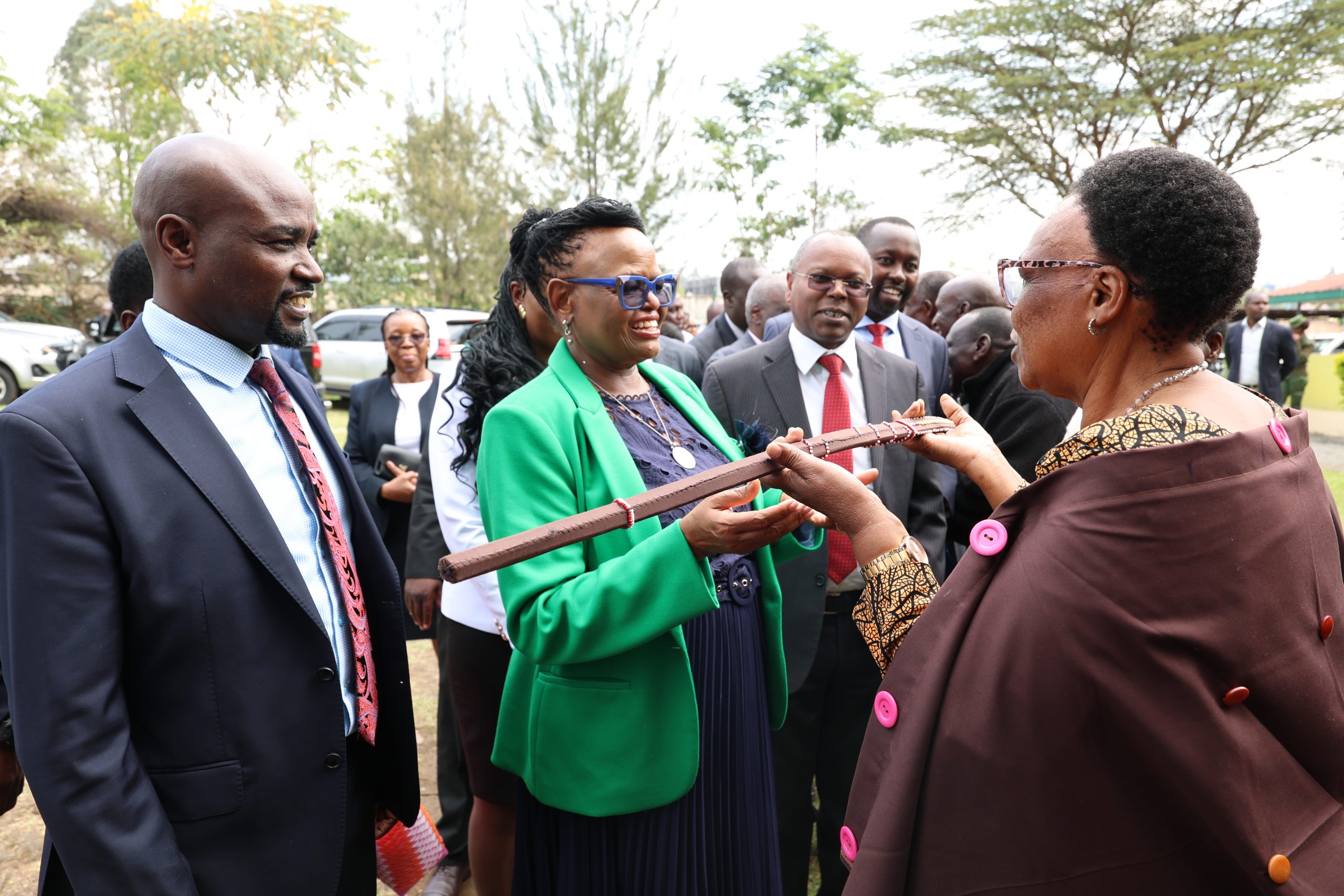
Bomet, Kenya – 3 August 2026 – Chief Justice Martha Koome has unveiled a comprehensive Alternative Justice Systems (AJS) framework for Bomet County, reaffirming the Judiciary’s commitment to expanding access to justice through community-based, inclusive, and people-centred dispute resolution.
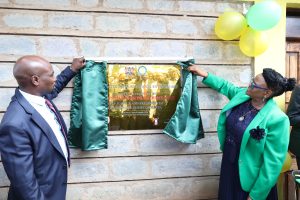
Speaking during the launch of the Bomet County Alternative Justice Systems (AJS) County Action Plan, the Bomet County AJS Model, the Bomet AJS Suite, and the Bomet and Sotik AJS Registries, Chief Justice Koome said the initiatives embody the Judiciary’s vision of Social Transformation through Access to Justice (STAJ) by ensuring that justice is accessible, affordable, timely, and responsive to the needs of all Kenyans. She described the initiatives as significant milestones in Kenya’s justice transformation journey.
“The true measure of justice is not the location of a courtroom, but every person’s ability to obtain fair, timely, and dignified resolution of disputes,” the Chief Justice said, noting that justice must remain people-centred and responsive to the realities of the communities it serves.
She reiterated that the Judiciary’s multi-door approach to justice recognizes that while courts remain the guardians of the Constitution, different disputes require different pathways for resolution. Mediation, dialogue, reconciliation, and restorative justice mechanisms, she said, complement formal court processes by providing effective and culturally appropriate solutions anchored in constitutional values and human rights.
Justice Koome observed that the Constitution recognizes Alternative Justice Systems as legitimate dispute resolution mechanisms, provided they uphold the Bill of Rights and the rule of law. She emphasized that strengthening AJS expands—not replaces—the formal justice system by providing more avenues for citizens to resolve disputes efficiently and peacefully.
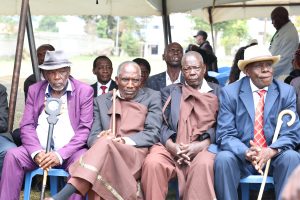
The Chief Justice noted that the Bomet County AJS Model creates a coordinated justice ecosystem that brings together community elders, religious leaders, accredited mediators, public institutions, civil society organizations, and the Judiciary to deliver fair, efficient, and sustainable dispute resolution.
She further said the Bomet AJS Suite and the Bomet and Sotik AJS Registries will institutionalize Alternative Justice Systems by serving as centres for coordination, referrals, documentation, public engagement, and continuous learning, while strengthening accountability, consistency, and public confidence.
Justice Koome emphasized that Alternative Justice Systems must always operate within constitutional safeguards and must never be used to resolve serious criminal offences such as sexual violence and defilement, which fall within the formal criminal justice system.
She commended the Bomet Court Users Committee, the National Steering Committee on the Implementation of the Alternative Justice Systems Policy, chaired by Hon. Justice (Prof.) Joel Ngugi, the County Government of Bomet, development partners, religious and cultural leaders, civil society organizations, and all stakeholders whose collaboration made the initiative possible.
Bomet County Governor Prof. Hillary Barchok said the courts are overwhelmed by the large number of cases, some of which remain in the justice system for years. He added that AJS has proven to be an effective restorative approach to resolving disputes, particularly land-related matters.
“Unlike adversarial court processes, AJS enables people to resolve disputes while promoting healing through a restorative process. As a county, we remain committed to promoting Alternative Justice Systems,” he said.
Governor Barchok said the county government will continue collaborating with the Judiciary and other law enforcement agencies to strengthen mediation initiatives and ensure that the public understands alternative dispute resolution mechanisms.
“We are ensuring that our people have access to trained mediators, and we shall allocate resources to mediation centres. To the people of Bomet, I encourage you to embrace these institutions,” he emphasized.
Chief Registrar of the Judiciary Winfridah Mokaya said Alternative Justice Systems complement, rather than replace, the formal courts. She noted that they resolve disputes more quickly, reduce costs, ease court congestion and, most importantly, restore relationships and strengthen communities.
“Every dispute resolved through dialogue is more than a case concluded; it is a family reunited, neighbours reconciled, and confidence in justice renewed. From the perspective of an administrator and Accounting Officer, I see Alternative Justice Systems as one of the wisest investments we can make. Every shilling invested in AJS saves time, reduces litigation costs, strengthens social cohesion, and delivers better value for public resources. That is why the Judiciary continues to invest not only in court infrastructure and technology, but also in community-based justice mechanisms that bring justice closer to the people,” said the Chief Registrar.
Judicial Service Commission (JSC) Vice Chairperson Isaac Ruto described the launch of the Bomet County Alternative Justice Systems (AJS) County Action Plan, the Bomet County AJS Model, and the Bomet AJS Suite as a significant milestone in advancing Kenya’s vision of an accessible, inclusive, and people-centred justice system.
He reaffirmed the Commission’s commitment to supporting innovative justice reforms that promote the constitutional principle of multiple doors to justice, enabling citizens to resolve disputes through the most appropriate mechanisms while strengthening public confidence in the administration of justice.
Ends…